Empower Change: Educate, Organize, Pressure, Reform!
About People’s Lobby Missouri
The People’s Lobby of Missouri is dedicated to uniting citizens across every corner of Missouri to restore Constitutional principles and reclaim government accountability.
educate, organize, and pressure for real change!
the mission
We strive to empower the people by organizing grassroots efforts to eliminate electronic voting machines, reinstate hand-counted paper ballots, and establish a statewide election holiday. We advocate for the abolition of property taxes and a comprehensive review of government rules to dismantle processes that shield it from accountability. By pooling the collective strength of Missourians, we aim to rival corporate lobbyists, vigilantly monitor government actions, and expose corruption through strategic marketing and relentless pressure, ensuring a government that serves the people and upholds the Constitution.


Empower Change: Educate, Organize, Pressure, Reform!
About People’s Lobby Missouri
The People’s Lobby of Missouri is dedicated to uniting citizens across every corner of Missouri to restore Constitutional principles and reclaim government accountability.
the mission
educate, organize, and pressure for real change!
We strive to empower the people by organizing grassroots efforts to eliminate electronic voting machines, reinstate hand-counted paper ballots, and establish a statewide election holiday. We advocate for the abolition of property taxes and a comprehensive review of government rules to dismantle processes that shield it from accountability. By pooling the collective strength of Missourians, we aim to rival corporate lobbyists, vigilantly monitor government actions, and expose corruption through strategic marketing and relentless pressure, ensuring a government that serves the people and upholds the Constitution.
Empower Change: Educate, Organize, Pressure, Reform!
About People’s Lobby Missouri
the mission
The People’s Lobby of Missouri is dedicated to uniting citizens across every corner of Missouri to restore Constitutional principles and reclaim government accountability.
educate, organize, & pressure for change!
We strive to empower the people by organizing grassroots efforts to eliminate electronic voting machines, reinstate hand-counted paper ballots, and establish a statewide election holiday. We advocate for the abolition of property taxes and a comprehensive review of government rules to dismantle processes that shield it from accountability. By pooling the collective strength of Missourians, we aim to rival corporate lobbyists, vigilantly monitor government actions, and expose corruption through strategic marketing and relentless pressure, ensuring a government that serves the people and upholds the Constitution.
Become a Lobbyist For YOURSELF
Why The Join People’s Lobby MO?

The Power of The People:
We believe in the inherent duty of citizens to hold our government accountable. By pooling our resources, we amplify our voice to demand transparency and fairness—without relying on any single politician.

Change from the Outside In:
Swapping out politicians in a broken system is a fool’s errand. We tackle the root issues head-on by educating the public about systemic flaws and pressuring elected officials to act in our interests.

A Movement, Not a Moment:
Through grassroots organization and strategic marketing, we’re building a movement that grows stronger with every member. Your involvement fuels our ability to educate, mobilize, and effect change—first from the outside, then transforming the system from within.

Time Is Running Out:
As technology advances and challenges mount, the window to act is closing. Join us now to shape a future where The People, not special interests, call the shots.
Become a Lobbyist For YOURSELF
Why Join PLMO?

The Power of The People:
We believe in the inherent duty of citizens to hold our government accountable. By pooling our resources, we amplify our voice to demand transparency and fairness—without relying on any single politician.

Change From The Outside In:
Swapping out politicians in a broken system is a fool’s errand. We tackle the root issues head-on by educating the public about systemic flaws and pressuring elected officials to act in our interests.

A Movement, Not A Moment:
Through grassroots organization and strategic marketing, we’re building a movement that grows stronger with every member. Your involvement fuels our ability to educate, mobilize, and effect change—first from the outside, then transforming the system from within.

Time Is Running Out:
As technology advances and challenges mount, the window to act is closing. Join us now to shape a future where The People, not special interests, call the shots.
Become a Lobbyist For YOURSELF
Why Join PLMO?
The Power of The People:
We believe in the inherent duty of citizens to hold our government accountable. By pooling our resources, we amplify our voice to demand transparency and fairness—without relying on any single politician.
Change from the Outside In:
Swapping out politicians in a broken system is a fool’s errand. We tackle the root issues head-on by educating the public about systemic flaws and pressuring elected officials to act in our interests.
A Movement, Not a Moment:
Through grassroots organization and strategic marketing, we’re building a movement that grows stronger with every member. Your involvement fuels our ability to educate, mobilize, and effect change—first from the outside, then transforming the system from within.
Time Is Running Out:
As technology advances and challenges mount, the window to act is closing. Join us now to shape a future where The People, not special interests, call the shots.
Empower Change: Educate, Organize, Pressure, Reform!
issues we care about

Remove the Machines, Return to Handcounting Paper Ballots
The case for removing electronic voting machines in Missouri and returning to hand-counted paper ballots is rooted in both public sentiment and fundamental concerns about electoral integrity. Polls, such as those conducted by Rasmussen, consistently show that a significant portion of the American public lacks confidence in electronic voting machines. This widespread distrust undermines the democratic process, as faith in the accuracy and security of elections is essential for a functioning republic. Voting is the most sacred right of Americans, the cornerstone of self-governance, and any system that erodes trust in that process threatens the legitimacy of the outcomes. When citizens question whether their votes are accurately counted, the very foundation of democracy is at risk.
A critical issue with electronic voting machines is their questionable legal standing. Many of these machines, including those used in Missouri, have been found to lack proper certification under federal and state standards, as required by law. The moment a voter inserts their ballot into an uncertified tabulator, their vote is disenfranchised, as the machine’s output cannot be guaranteed to reflect their intent. This is not a minor technicality but a systemic flaw that compromises the entire electoral process. Hand-counted paper ballots, by contrast, provide a tangible, verifiable record of each vote, ensuring that every citizen’s voice is preserved without reliance on opaque technology.
Moreover, it is widely acknowledged that electronic voting machines are vulnerable to manipulation. Cybersecurity experts have demonstrated that these systems can be hacked, altered, or misconfigured, whether through external interference or internal errors. Unlike electronic systems, which often rely on proprietary software that is difficult to scrutinize, hand-counting paper ballots is transparent and accessible to public oversight. While no system is entirely immune to error or fraud, paper ballots allow for straightforward verification through manual recounts, a process that is far more difficult with electronic systems due to their lack of a verifiable paper trail in many cases. Missouri’s current electronic voting mechanisms also face challenges in auditability, as the complexity of the systems often obscures whether the recorded results match the voters’ intent. Returning to hand-counted paper ballots would restore a direct, auditable process that prioritizes transparency and accountability, ensuring that Missouri’s elections truly reflect the will of the people.

Comprehensive Review of the Budget, Push For True Tax Relief
Missouri’s recent passage of a $53.5 billion state budget, the largest in its history, underscores the urgent need for a comprehensive review of spending and a robust push for tax cuts, particularly on personal property taxes. This bloated budget raises serious concerns about fiscal sustainability, as Missouri’s spending trajectory appears increasingly unsustainable. For context, Illinois, with a population of approximately 12.6 million—roughly double Missouri’s 6.2 million—has a state budget of about $56 billion for FY 2025, only marginally higher than Missouri’s. This means Missouri is spending at a per-capita rate far closer to Illinois than its population or economic base justifies. Such disproportionate spending demands a thorough audit to identify inefficiencies, eliminate waste, and ensure taxpayer dollars are used effectively, rather than fueling unchecked bureaucratic growth.
A significant issue is the practice of legislators using the budget as a tool to advance policy agendas, effectively legislating through appropriations. This approach, often referred to as “budget bill legislating,” allows lawmakers to embed controversial or unvetted policies into must-pass budget bills, bypassing the transparency and debate of the normal legislative process. This undermines accountability and bloats the budget with initiatives that may not align with Missourians’ priorities. For example, the $53.5 billion budget includes hundreds of millions for capital improvements, such as $55 million for upgrades to the Missouri State Capitol, which, while important, adds to the strain on taxpayers already grappling with rising costs. A comprehensive budget review would expose such practices, ensuring that spending aligns with core state needs like infrastructure, education, and public safety, rather than serving as a vehicle for political maneuvering.
The push for tax cuts, especially on personal property taxes, is critical to prevent Missourians from being taxed out of their homes and livelihoods. Governor Mike Kehoe and the state tax commission’s decision to mandate property assessment increases by 75 assessors has significantly raised property tax burdens, hitting homeowners and small businesses hard. Personal property taxes, which include taxes on vehicles and other assets, are particularly regressive, disproportionately affecting middle- and lower-income families. Recent legislative efforts, such as a bill allowing a 100% deduction of capital gains income from state taxes, show some commitment to tax relief, but they fall short of addressing the broader tax burden. Missouri’s tax structure, already made more regressive by reductions in income tax rates coupled with higher local sales taxes, needs reform to prioritize relief for everyday Missourians. Cutting personal property taxes would provide immediate relief, stimulate local economies, and signal a commitment to fiscal responsibility. Without a serious review of the budget and meaningful tax cuts, Missouri risks driving residents and businesses away, threatening the state’s long-term economic health.
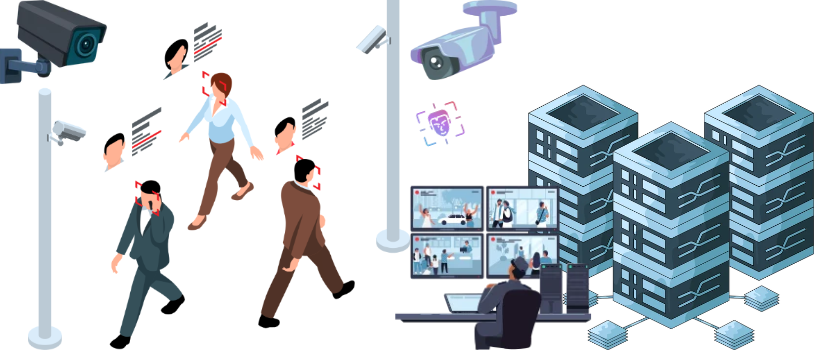
Rein in Government Surveillance, Limit Data Center Growth
The case for reining in mass surveillance in Missouri is rooted in growing public opposition and fundamental constitutional concerns about the unchecked tracking of law-abiding citizens. Flock Safety’s automated license plate readers do far more than capture plates—they create detailed vehicle “fingerprints” that include bumper stickers, dents, and other identifiers, generating searchable records of people’s movements that are shared across agencies. Communities from Weston and Parkville to St. Charles County and Springfield have canceled contracts, suspended systems, and protested after documented cases of misuse, including officers and employees tracking personal contacts hundreds of times. Even Governor Kehoe’s 2026 executive order—requiring 30-day data deletion, prohibiting commercial sale of Missouri data, and limiting use to “legitimate” purposes—has been criticized by many as insufficient due to vague standards and retained data that still enable pattern-of-life surveillance of political activities, religious gatherings, and everyday life.
A parallel and closely related threat comes from the rapid expansion of data centers, which concentrate enormous amounts of personal and commercial data while consuming vast quantities of water and electricity. Without strict rules on data protection, transparency, and resource use, these facilities risk becoming nodes of both digital surveillance and physical strain on Missouri’s natural resources. Hyperscale projects have already faced local pushback over secrecy, tax abatements, and the potential for costs to be shifted onto residential ratepayers through higher utility bills. Responsible implementation requires enforceable standards that protect residents’ data from improper access or sharing, prohibit cost-shifting to households, require full disclosure of water and power impacts, and prioritize existing systems and farmland over unchecked growth. Data centers should not be allowed to operate as black boxes that amplify surveillance capabilities or deplete shared resources without accountability to the communities that host them.
Banning or severely restricting Flock-style mass surveillance—while preserving only narrow, warrant-based tools for genuine public safety—and imposing clear limits and safeguards on data centers restores the principle that technology and economic development must serve Missourians rather than monitor or burden them. Local governments have already demonstrated that residents will reject systems that erode privacy or strain water and power. Statewide standards that prioritize transparency, prevent misuse of both physical surveillance tools and digital infrastructure, and protect natural resources ensure that Missouri does not trade constitutional rights or quality of life for convenience or corporate incentives. Only by limiting mass surveillance and demanding responsible data center practices can the state uphold the constitutional expectation that government and technology serve the people, not the other way around.
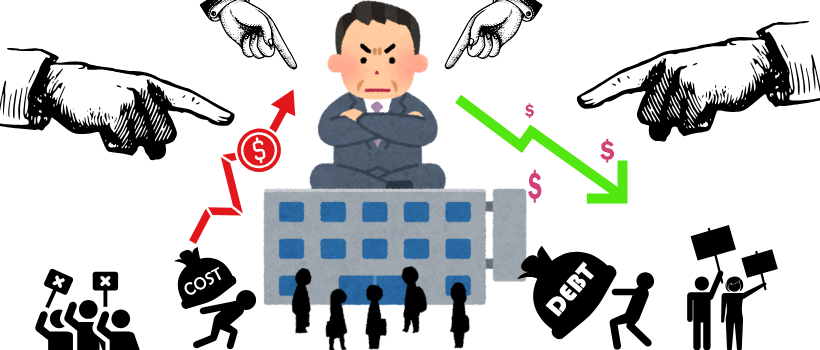
Expose Corruption, Dismantle Broken Processes With Pressure Campaigns
The case for dismantling broken processes and exposing deep corruption in Missouri’s government is rooted in both longstanding public distrust and structural flaws that shield the powerful from accountability. Power in the General Assembly is heavily concentrated in the Speaker of the House and the Senate President Pro Tem, who control committee assignments, bill advancement, and the overall legislative agenda. This centralization allows leadership to sideline rank-and-file members, bury legislation that reflects constituent priorities, and advance special-interest measures with limited scrutiny. A majority of Missouri legislators have reported conflicts of interest involving business ties, lobbying relationships, or campaign contributions, creating a system in which personal and corporate interests frequently outweigh the public good. Legislation such as Senate Bill 4, which expanded utilities’ ability to raise rates with reduced oversight, illustrates how these dynamics produce outcomes that burden ordinary Missourians while protecting well-connected entities.
A glaring example of the accountability deficit is the Missouri Senate’s refusal to provide a public video livestream of its floor proceedings—making it one of only two legislative chambers in the country that still withholds this basic transparency. While the House has offered video for years, the Senate provides only audio and keeps internal video recordings largely unavailable to the public except through formal Sunshine requests that can involve delays and fees. Efforts by senators such as Mike Moon to require livestreaming have repeatedly stalled, including through non-roll-call standing votes whose participants remain obscured. In one recent instance, video obtained through a public records request went black precisely during the vote on whether to allow cameras, reinforcing perceptions that the chamber prefers to operate out of full view. Audio alone makes it difficult for citizens to identify speakers or fully observe debates, further insulating decision-making from the people the senators were elected to represent.
These broken processes and the absence of basic oversight tools like Senate cameras allow corruption and conflicts of interest to persist while limiting the public’s ability to hold officials accountable. Dismantling them requires decentralizing leadership power, imposing stricter conflict-of-interest rules, increasing transparency in committee assignments and lobbying, and mandating public video of all legislative proceedings. Only by exposing these systemic problems and forcing sunlight into the process can Missouri realign its government to serve the people rather than protect the establishment and special interests. Restoring accountability begins with ensuring that the public can actually see what their elected officials are doing—and that no one in Jefferson City can hide behind closed doors or opaque procedures.
Empower Change: Educate, Organize, Pressure, Reform!
issues we care about
Remove the Machines, Return to Handcounted Paper Ballots
The case for removing electronic voting machines in Missouri and returning to hand-counted paper ballots is rooted in both public sentiment and fundamental concerns about electoral integrity. Polls, such as those conducted by Rasmussen, consistently show that a significant portion of the American public lacks confidence in electronic voting machines. This widespread distrust undermines the democratic process, as faith in the accuracy and security of elections is essential for a functioning republic. Voting is the most sacred right of Americans, the cornerstone of self-governance, and any system that erodes trust in that process threatens the legitimacy of the outcomes. When citizens question whether their votes are accurately counted, the very foundation of democracy is at risk.
A critical issue with electronic voting machines is their questionable legal standing. Many of these machines, including those used in Missouri, have been found to lack proper certification under federal and state standards, as required by law. The moment a voter inserts their ballot into an uncertified tabulator, their vote is disenfranchised, as the machine’s output cannot be guaranteed to reflect their intent. This is not a minor technicality but a systemic flaw that compromises the entire electoral process. Hand-counted paper ballots, by contrast, provide a tangible, verifiable record of each vote, ensuring that every citizen’s voice is preserved without reliance on opaque technology.
Moreover, it is widely acknowledged that electronic voting machines are vulnerable to manipulation. Cybersecurity experts have demonstrated that these systems can be hacked, altered, or misconfigured, whether through external interference or internal errors. Unlike electronic systems, which often rely on proprietary software that is difficult to scrutinize, hand-counting paper ballots is transparent and accessible to public oversight. While no system is entirely immune to error or fraud, paper ballots allow for straightforward verification through manual recounts, a process that is far more difficult with electronic systems due to their lack of a verifiable paper trail in many cases. Missouri’s current electronic voting mechanisms also face challenges in auditability, as the complexity of the systems often obscures whether the recorded results match the voters’ intent. Returning to hand-counted paper ballots would restore a direct, auditable process that prioritizes transparency and accountability, ensuring that Missouri’s elections truly reflect the will of the people.
Comprehensive Review of the Budget, Push For True Tax Relief
Missouri’s recent passage of a $53.5 billion state budget, the largest in its history, underscores the urgent need for a comprehensive review of spending and a robust push for tax cuts, particularly on personal property taxes. This bloated budget raises serious concerns about fiscal sustainability, as Missouri’s spending trajectory appears increasingly unsustainable. For context, Illinois, with a population of approximately 12.6 million—roughly double Missouri’s 6.2 million—has a state budget of about $56 billion for FY 2025, only marginally higher than Missouri’s. This means Missouri is spending at a per-capita rate far closer to Illinois than its population or economic base justifies. Such disproportionate spending demands a thorough audit to identify inefficiencies, eliminate waste, and ensure taxpayer dollars are used effectively, rather than fueling unchecked bureaucratic growth.
A significant issue is the practice of legislators using the budget as a tool to advance policy agendas, effectively legislating through appropriations. This approach, often referred to as “budget bill legislating,” allows lawmakers to embed controversial or unvetted policies into must-pass budget bills, bypassing the transparency and debate of the normal legislative process. This undermines accountability and bloats the budget with initiatives that may not align with Missourians’ priorities. For example, the $53.5 billion budget includes hundreds of millions for capital improvements, such as $55 million for upgrades to the Missouri State Capitol, which, while important, adds to the strain on taxpayers already grappling with rising costs. A comprehensive budget review would expose such practices, ensuring that spending aligns with core state needs like infrastructure, education, and public safety, rather than serving as a vehicle for political maneuvering.
The push for tax cuts, especially on personal property taxes, is critical to prevent Missourians from being taxed out of their homes and livelihoods. Governor Mike Kehoe and the state tax commission’s decision to mandate property assessment increases by 75 assessors has significantly raised property tax burdens, hitting homeowners and small businesses hard. Personal property taxes, which include taxes on vehicles and other assets, are particularly regressive, disproportionately affecting middle- and lower-income families. Recent legislative efforts, such as a bill allowing a 100% deduction of capital gains income from state taxes, show some commitment to tax relief, but they fall short of addressing the broader tax burden. Missouri’s tax structure, already made more regressive by reductions in income tax rates coupled with higher local sales taxes, needs reform to prioritize relief for everyday Missourians. Cutting personal property taxes would provide immediate relief, stimulate local economies, and signal a commitment to fiscal responsibility. Without a serious review of the budget and meaningful tax cuts, Missouri risks driving residents and businesses away, threatening the state’s long-term economic health.
Rein in Government Surveillance, Limit Data Center Growth
The case for reining in mass surveillance in Missouri is rooted in growing public opposition and fundamental constitutional concerns about the unchecked tracking of law-abiding citizens. Flock Safety’s automated license plate readers do far more than capture plates—they create detailed vehicle “fingerprints” that include bumper stickers, dents, and other identifiers, generating searchable records of people’s movements that are shared across agencies. Communities from Weston and Parkville to St. Charles County and Springfield have canceled contracts, suspended systems, and protested after documented cases of misuse, including officers and employees tracking personal contacts hundreds of times. Even Governor Kehoe’s 2026 executive order—requiring 30-day data deletion, prohibiting commercial sale of Missouri data, and limiting use to “legitimate” purposes—has been criticized by many as insufficient due to vague standards and retained data that still enable pattern-of-life surveillance of political activities, religious gatherings, and everyday life.
A parallel and closely related threat comes from the rapid expansion of data centers, which concentrate enormous amounts of personal and commercial data while consuming vast quantities of water and electricity. Without strict rules on data protection, transparency, and resource use, these facilities risk becoming nodes of both digital surveillance and physical strain on Missouri’s natural resources. Hyperscale projects have already faced local pushback over secrecy, tax abatements, and the potential for costs to be shifted onto residential ratepayers through higher utility bills. Responsible implementation requires enforceable standards that protect residents’ data from improper access or sharing, prohibit cost-shifting to households, require full disclosure of water and power impacts, and prioritize existing systems and farmland over unchecked growth. Data centers should not be allowed to operate as black boxes that amplify surveillance capabilities or deplete shared resources without accountability to the communities that host them.
Banning or severely restricting Flock-style mass surveillance—while preserving only narrow, warrant-based tools for genuine public safety—and imposing clear limits and safeguards on data centers restores the principle that technology and economic development must serve Missourians rather than monitor or burden them. Local governments have already demonstrated that residents will reject systems that erode privacy or strain water and power. Statewide standards that prioritize transparency, prevent misuse of both physical surveillance tools and digital infrastructure, and protect natural resources ensure that Missouri does not trade constitutional rights or quality of life for convenience or corporate incentives. Only by limiting mass surveillance and demanding responsible data center practices can the state uphold the constitutional expectation that government and technology serve the people, not the other way around.
Expose Corruption, Dismantle Broken Processes With Pressure Campaigns
The case for dismantling broken processes and exposing deep corruption in Missouri’s government is rooted in both longstanding public distrust and structural flaws that shield the powerful from accountability. Power in the General Assembly is heavily concentrated in the Speaker of the House and the Senate President Pro Tem, who control committee assignments, bill advancement, and the overall legislative agenda. This centralization allows leadership to sideline rank-and-file members, bury legislation that reflects constituent priorities, and advance special-interest measures with limited scrutiny. A majority of Missouri legislators have reported conflicts of interest involving business ties, lobbying relationships, or campaign contributions, creating a system in which personal and corporate interests frequently outweigh the public good. Legislation such as Senate Bill 4, which expanded utilities’ ability to raise rates with reduced oversight, illustrates how these dynamics produce outcomes that burden ordinary Missourians while protecting well-connected entities.
A glaring example of the accountability deficit is the Missouri Senate’s refusal to provide a public video livestream of its floor proceedings—making it one of only two legislative chambers in the country that still withholds this basic transparency. While the House has offered video for years, the Senate provides only audio and keeps internal video recordings largely unavailable to the public except through formal Sunshine requests that can involve delays and fees. Efforts by senators such as Mike Moon to require livestreaming have repeatedly stalled, including through non-roll-call standing votes whose participants remain obscured. In one recent instance, video obtained through a public records request went black precisely during the vote on whether to allow cameras, reinforcing perceptions that the chamber prefers to operate out of full view. Audio alone makes it difficult for citizens to identify speakers or fully observe debates, further insulating decision-making from the people the senators were elected to represent.
These broken processes and the absence of basic oversight tools like Senate cameras allow corruption and conflicts of interest to persist while limiting the public’s ability to hold officials accountable. Dismantling them requires decentralizing leadership power, imposing stricter conflict-of-interest rules, increasing transparency in committee assignments and lobbying, and mandating public video of all legislative proceedings. Only by exposing these systemic problems and forcing sunlight into the process can Missouri realign its government to serve the people rather than protect the establishment and special interests. Restoring accountability begins with ensuring that the public can actually see what their elected officials are doing—and that no one in Jefferson City can hide behind closed doors or opaque procedures.
Empower Change: Educate, Organize, Pressure, Reform!
issues we care about
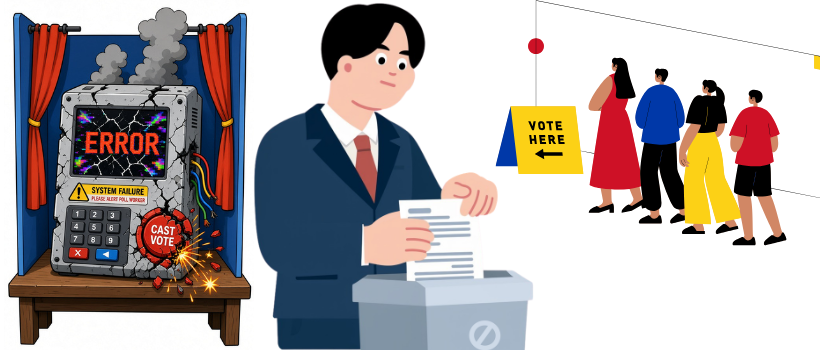
Remove the Machines, Return to Handcounting Paper Ballots
The case for removing electronic voting machines in Missouri and returning to hand-counted paper ballots is rooted in both public sentiment and fundamental concerns about electoral integrity. Polls, such as those conducted by Rasmussen, consistently show that a significant portion of the American public lacks confidence in electronic voting machines. This widespread distrust undermines the democratic process, as faith in the accuracy and security of elections is essential for a functioning republic. Voting is the most sacred right of Americans, the cornerstone of self-governance, and any system that erodes trust in that process threatens the legitimacy of the outcomes. When citizens question whether their votes are accurately counted, the very foundation of democracy is at risk.
A critical issue with electronic voting machines is their questionable legal standing. Many of these machines, including those used in Missouri, have been found to lack proper certification under federal and state standards, as required by law. The moment a voter inserts their ballot into an uncertified tabulator, their vote is disenfranchised, as the machine’s output cannot be guaranteed to reflect their intent. This is not a minor technicality but a systemic flaw that compromises the entire electoral process. Hand-counted paper ballots, by contrast, provide a tangible, verifiable record of each vote, ensuring that every citizen’s voice is preserved without reliance on opaque technology.
Moreover, it is widely acknowledged that electronic voting machines are vulnerable to manipulation. Cybersecurity experts have demonstrated that these systems can be hacked, altered, or misconfigured, whether through external interference or internal errors. Unlike electronic systems, which often rely on proprietary software that is difficult to scrutinize, hand-counting paper ballots is transparent and accessible to public oversight. While no system is entirely immune to error or fraud, paper ballots allow for straightforward verification through manual recounts, a process that is far more difficult with electronic systems due to their lack of a verifiable paper trail in many cases. Missouri’s current electronic voting mechanisms also face challenges in auditability, as the complexity of the systems often obscures whether the recorded results match the voters’ intent. Returning to hand-counted paper ballots would restore a direct, auditable process that prioritizes transparency and accountability, ensuring that Missouri’s elections truly reflect the will of the people.
Comprehensive Review of the Budget, Push For True Tax Relief
Missouri’s recent passage of a $53.5 billion state budget, the largest in its history, underscores the urgent need for a comprehensive review of spending and a robust push for tax cuts, particularly on personal property taxes. This bloated budget raises serious concerns about fiscal sustainability, as Missouri’s spending trajectory appears increasingly unsustainable. For context, Illinois, with a population of approximately 12.6 million—roughly double Missouri’s 6.2 million—has a state budget of about $56 billion for FY 2025, only marginally higher than Missouri’s. This means Missouri is spending at a per-capita rate far closer to Illinois than its population or economic base justifies. Such disproportionate spending demands a thorough audit to identify inefficiencies, eliminate waste, and ensure taxpayer dollars are used effectively, rather than fueling unchecked bureaucratic growth.
A significant issue is the practice of legislators using the budget as a tool to advance policy agendas, effectively legislating through appropriations. This approach, often referred to as “budget bill legislating,” allows lawmakers to embed controversial or unvetted policies into must-pass budget bills, bypassing the transparency and debate of the normal legislative process. This undermines accountability and bloats the budget with initiatives that may not align with Missourians’ priorities. For example, the $53.5 billion budget includes hundreds of millions for capital improvements, such as $55 million for upgrades to the Missouri State Capitol, which, while important, adds to the strain on taxpayers already grappling with rising costs. A comprehensive budget review would expose such practices, ensuring that spending aligns with core state needs like infrastructure, education, and public safety, rather than serving as a vehicle for political maneuvering.
The push for tax cuts, especially on personal property taxes, is critical to prevent Missourians from being taxed out of their homes and livelihoods. Governor Mike Kehoe and the state tax commission’s decision to mandate property assessment increases by 75 assessors has significantly raised property tax burdens, hitting homeowners and small businesses hard. Personal property taxes, which include taxes on vehicles and other assets, are particularly regressive, disproportionately affecting middle- and lower-income families. Recent legislative efforts, such as a bill allowing a 100% deduction of capital gains income from state taxes, show some commitment to tax relief, but they fall short of addressing the broader tax burden. Missouri’s tax structure, already made more regressive by reductions in income tax rates coupled with higher local sales taxes, needs reform to prioritize relief for everyday Missourians. Cutting personal property taxes would provide immediate relief, stimulate local economies, and signal a commitment to fiscal responsibility. Without a serious review of the budget and meaningful tax cuts, Missouri risks driving residents and businesses away, threatening the state’s long-term economic health.
Rein in Government Surveillance, Limit Data Center Growth
The case for reining in mass surveillance in Missouri is rooted in growing public opposition and fundamental constitutional concerns about the unchecked tracking of law-abiding citizens. Flock Safety’s automated license plate readers do far more than capture plates—they create detailed vehicle “fingerprints” that include bumper stickers, dents, and other identifiers, generating searchable records of people’s movements that are shared across agencies. Communities from Weston and Parkville to St. Charles County and Springfield have canceled contracts, suspended systems, and protested after documented cases of misuse, including officers and employees tracking personal contacts hundreds of times. Even Governor Kehoe’s 2026 executive order—requiring 30-day data deletion, prohibiting commercial sale of Missouri data, and limiting use to “legitimate” purposes—has been criticized by many as insufficient due to vague standards and retained data that still enable pattern-of-life surveillance of political activities, religious gatherings, and everyday life.
A parallel and closely related threat comes from the rapid expansion of data centers, which concentrate enormous amounts of personal and commercial data while consuming vast quantities of water and electricity. Without strict rules on data protection, transparency, and resource use, these facilities risk becoming nodes of both digital surveillance and physical strain on Missouri’s natural resources. Hyperscale projects have already faced local pushback over secrecy, tax abatements, and the potential for costs to be shifted onto residential ratepayers through higher utility bills. Responsible implementation requires enforceable standards that protect residents’ data from improper access or sharing, prohibit cost-shifting to households, require full disclosure of water and power impacts, and prioritize existing systems and farmland over unchecked growth. Data centers should not be allowed to operate as black boxes that amplify surveillance capabilities or deplete shared resources without accountability to the communities that host them.
Banning or severely restricting Flock-style mass surveillance—while preserving only narrow, warrant-based tools for genuine public safety—and imposing clear limits and safeguards on data centers restores the principle that technology and economic development must serve Missourians rather than monitor or burden them. Local governments have already demonstrated that residents will reject systems that erode privacy or strain water and power. Statewide standards that prioritize transparency, prevent misuse of both physical surveillance tools and digital infrastructure, and protect natural resources ensure that Missouri does not trade constitutional rights or quality of life for convenience or corporate incentives. Only by limiting mass surveillance and demanding responsible data center practices can the state uphold the constitutional expectation that government and technology serve the people, not the other way around.
Expose Corruption, Dismantle Broken Processes With Pressure Campaigns
The case for dismantling broken processes and exposing deep corruption in Missouri’s government is rooted in both longstanding public distrust and structural flaws that shield the powerful from accountability. Power in the General Assembly is heavily concentrated in the Speaker of the House and the Senate President Pro Tem, who control committee assignments, bill advancement, and the overall legislative agenda. This centralization allows leadership to sideline rank-and-file members, bury legislation that reflects constituent priorities, and advance special-interest measures with limited scrutiny. A majority of Missouri legislators have reported conflicts of interest involving business ties, lobbying relationships, or campaign contributions, creating a system in which personal and corporate interests frequently outweigh the public good. Legislation such as Senate Bill 4, which expanded utilities’ ability to raise rates with reduced oversight, illustrates how these dynamics produce outcomes that burden ordinary Missourians while protecting well-connected entities.
A glaring example of the accountability deficit is the Missouri Senate’s refusal to provide a public video livestream of its floor proceedings—making it one of only two legislative chambers in the country that still withholds this basic transparency. While the House has offered video for years, the Senate provides only audio and keeps internal video recordings largely unavailable to the public except through formal Sunshine requests that can involve delays and fees. Efforts by senators such as Mike Moon to require livestreaming have repeatedly stalled, including through non-roll-call standing votes whose participants remain obscured. In one recent instance, video obtained through a public records request went black precisely during the vote on whether to allow cameras, reinforcing perceptions that the chamber prefers to operate out of full view. Audio alone makes it difficult for citizens to identify speakers or fully observe debates, further insulating decision-making from the people the senators were elected to represent.
These broken processes and the absence of basic oversight tools like Senate cameras allow corruption and conflicts of interest to persist while limiting the public’s ability to hold officials accountable. Dismantling them requires decentralizing leadership power, imposing stricter conflict-of-interest rules, increasing transparency in committee assignments and lobbying, and mandating public video of all legislative proceedings. Only by exposing these systemic problems and forcing sunlight into the process can Missouri realign its government to serve the people rather than protect the establishment and special interests. Restoring accountability begins with ensuring that the public can actually see what their elected officials are doing—and that no one in Jefferson City can hide behind closed doors or opaque procedures.
join the lobby
Join the people of missouri fighting for their rights and state’s sovereignty.
join the lobby
Join the people of missouri fighting for their rights and state’s sovereignty.

Empower Change: Educate, Organize, Reform!
upcoming events
Check back for upcoming PLMO events