The Great Missouri Democracy Racket: Buy the Law, Lock the Door, Screw the Voters
November 3, Missourians will vote on Amendment 6, wrapped in the warm and fuzzy slogan “Respect Missouri Voters.” Sounds downright patriotic, doesn’t it? Before we swallow another spoonful of political skybalon, let’s open Amendment 6. Let’s see what it actually does, what it conveniently leaves out, and whose pockets of power get a little deeper if it passes.
What it does.
When Missourians pass a law through the initiative petition process, the General Assembly can turn around and gut it with a simple majority. In 2025, lawmakers did just that, tossing out the paid sick leave provisions voters had approved months earlier. So much for respecting the voters.
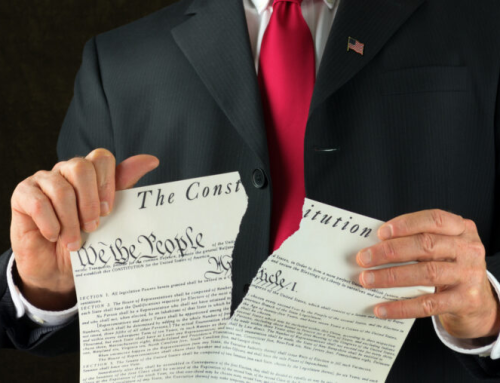
Amendment 6 promises to put a stop to that magic trick. Sounds good, until you read the fine print. Lawmakers would need an absurd 80% from BOTH chambers to change a voter approved law. Then they must send it right back to voters for approval. That’s 131 representatives and 28 senators.
Now flip that political pancake. Just 33 representatives or 7 senators could block a fix, even if Missouri desperately needs it. We’ve moved from politicians ignoring voters to a few gaining a permanent grip on the law. Brilliant!
But wait, there’s more. Amendment 6 calls petitioning a “fundamental right.” It lets judges rewrite ballot summaries. Plus, it limits lawmakers’ ability to regulate the petition process.
What it doesn’t do.
Signature requirements stay the same, and a simple majority still wins. Voters can still repeal these laws through another petition. Petition drives cost money, lawyers, and paid signature gatherers. Getting on the ballot sure as hell isn’t free. Whoever has the checkbook holds the keys.
Amendment 6 only protects laws and constitutional amendments passed by citizen petition after January 1, 2010. Look at what makes the cut: medical marijuana, recreational marijuana, Medicaid expansion, sports betting, and minimum wage.
The legislature can still propose constitutional changes to voters even if they don’t meet the 80% requirement. This includes proposals to repeal:
Remember Hancock? In 1980, Mel Hancock’s citizen petition put a constitutional leash on government taxes. Last August, Missourians defended that protection when they decimated Amendment 5, with 83% – 17% showing. Try getting 83% of any room to agree on something.
Apparently, the voters were perfectly capable of protecting their own interests without Jefferson City holding their hands. If Amendment 6 is really about respecting the will of the voters, why does that respect suddenly begin on January 1, 2010? Does democracy have an expiration date?
Follow The Money
Marijuana is big business in Missouri. Dispensaries sold $1.52 billion in 2025. Both marijuana amendments qualify for Amendment 6’s legislative fortress. Without 80% legislative approval, lawmakers couldn’t send marijuana changes back to voters.
Now here’s where things get interesting. Amendment 6 campaign spokesman Jack Cardetti was the spokesman for New Approach Missouri in 2018, the outfit that put medical marijuana into our Constitution. He’s also the longtime public spokesman for MoCannTrade, Missouri’s marijuana industry trade association. He’s selling protections that could benefit an industry he has represented for years. And $375,000 came from the Fairness Project, a Washington, D.C., nonprofit that doesn’t have to reveal who’s writing its checks. A billion dollar industry, its familiar spokesman, and money with no names attached.
The Fair Side
Supporters have a legitimate gripe. Jefferson City overturned what voters passed. State Sen. Joe Nicola, makes a point worth considering. Amendment 6 removes checks and balances from a process already showing signs of crooked influence.
The grievance is real. The cure is worse than the disease. This is Amendment 4 dressed up for a different benefactor, wearing a fresh coat of paint and the same old political perfume. And just like Amendment 4, this isn’t about We the People.
So I ask you, the reader: When you hold Amendment 6 up to the light, is it protecting We the People, or the oligarchs and special interests wealthy enough to write the rules, buy the locks, and slam the door behind them?